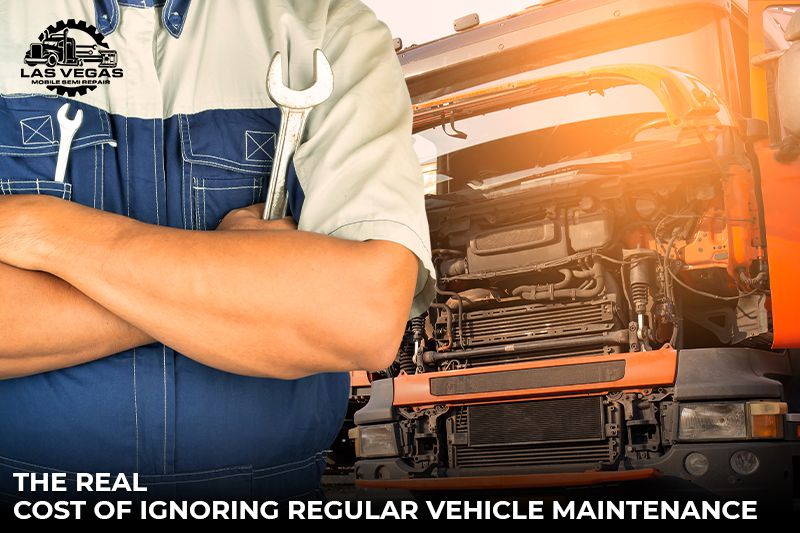
You buy a car so you can move freely. You do not want to live in the repair shop. But when you skip small fixes, you invite big bills. Many drivers skip small tasks. Then those easy fixes become serious car problems. The cost of skipping maintenance does not just hit your wallet. It hurts your safety. It takes your time. It shortens your car’s life.
It starts with small issues. Maybe you skip a fluid check or delay a tire change. At first, nothing happens. But over time, one missed task becomes two, and parts start to fail. The cost of skipping maintenance builds slow over time. Then it hits hard and fast. This blog will show what happens when you ignore regular car care tasks. It explains how small delays lead to bigger repair costs and safety risks. You will also learn smart vehicle upkeep tips that save money and time.
Why Routine Care Matters More Than Ever
How Small Delays Become Large Repairs
Most car problems begin with skipped basics. An oil change costs little, but ignoring it ruins engines. Old brake pads grind down rotors. Loose belts crack and snap under pressure. These things do not break overnight. They wear down over months, then suddenly fail.
When one part fails, it puts stress on others. A worn belt can pull the water pump. Dry tires risk your grip on wet roads. Skipping simple checks often turns into long-term car repair costs that grow faster than expected.
Price Trends Prove Prevention Pays
In 2025, drivers spend over $1,200 yearly on upkeep. That includes tires, oil, filters, and fluids. Skipping these costs may seem smart for a while, but it brings more pain later. Full engine rebuilds can cost more than $7,000. Transmission failure runs between $3,000 and $5,000.
The cost of skipping maintenance grows each year. Prices for parts and labor keep climbing. Since 1935, car repair costs have gone up by over 3,100 percent. Today, waiting too long is not a risk. It is a loss waiting to happen.
Real Examples: What Ignoring Maintenance Looks Like
From Missed Oil to Blown Engines
One driver delayed an oil change for four months. He thought one more drive would be fine. But on a long trip, the engine seized. The fix? A full engine swap. That cost him around $6,800, all because he skipped a $70 oil change.
When Brakes Turn Into Broken Budgets
Another car owner heard squeaks from the brakes. But he waited, thinking it could pass. After two weeks, grinding noises began. The rotors were damaged, and the calipers were bent. The cost went from $200 to over $1,100. It started with a delay and ended with debt.
The Fleet Angle: Bigger Scale, Bigger Problems
Fleet Servicing Issues Are Rising
More companies are running older trucks longer. Yet 95 percent of fleets do not stay on time with service. Missed checkups lead to breakdowns and downtime. This hurts delivery times and eats into profits fast.
Each skipped task adds risk. A missed filter change can clog fuel lines. Poor brake upkeep risks safety for both drivers and others on the road. When it comes to fleet servicing issues, every skipped task can snowball into a major loss.
Downtime Costs Real Money
When one delivery truck breaks down, the whole schedule suffers. Lost loads cost income. Towing, delays, and canceled jobs follow. It is not just one repair bill. It is a ripple that spreads through the whole business.
Breaking Down the Real Costs
Hidden Costs Add Up Quickly
Even one skipped task carries more cost than it first seems. Here is what often happens:
- Skipping tire checks leads to wrecked wheels
- Delayed fluid changes cause overheating or engine strain
- Old filters block air or fuel, dropping engine power
- Missed belt checks lead to engine stalls or cooling loss
None of these fail right away. But each one waits to catch you off guard. That is why repair vs prevention is a real choice. Repairs cost more, take longer, and leave you stuck.
Maintenance Schedule Importance
A smart driver does not guess. They follow a set plan. The maintenance schedule is shown in every part of the car. A good schedule covers:
- Tire checks and rotation
- Oil and filter swaps
- Fluid levels and top-offs
- Belt and hose checks
- Brake pad condition
Sticking to this list helps the car run smoother. It lowers your risk of breakdown and helps you keep costs under control.
How Skipping Care Affects Long-Term Ownership
Drop in Resale Value
A clean service history boosts resale price. A car with spotty records draws low offers. Buyers want cars they can trust. Skipping service makes them doubt that trust. That means less money when you sell or trade in.
Fuel Use Gets Worse
Dirty filters and low fluids make the engine work harder. That burns more fuel for the same drive. Regular care helps you use less gas. More gas used means more cost each month.
How to Avoid Breakdowns and High Repair Bills
Stick to the Basics
Many breakdowns come from easy misses. You can stop most issues if you:
- Check tires monthly for wear or damage
- Change oil based on mileage, not mood
- Listen for odd sounds and follow up fast
These steps take minutes, not hours. But they save thousands over time.
Use Vehicle Upkeep Tips That Work
You do not need to be a mechanic. Just follow these simple rules:
- Keep a small log of service dates
- Set phone alerts for checkups
- Use shops you trust for routine care
Vehicle upkeep tips do not need to be hard. The key is to stay ready. That way, you lower long-term car repair costs and avoid sudden stress.
Why the Cost of Skipping Maintenance Is Not Just About Money
Safety Is Always First
Worn brakes or tires can turn a short drive into a bad crash. Steering parts that fail cause you to lose control. Lights that stop working reduce your view at night. Each skipped task is a risk to your life.
You Lose Time, Too
Breakdowns cost more than money. They ruin your day. You miss work and cancel plans. You spend hours waiting at shops. Skipping service can turn a 10-minute oil change into a 3-day problem.
Repair vs Prevention: Which Side Wins
Prevention wins every time. Here is why:
- A $70 oil change beats a $6,800 engine repair
- A $25 filter swap beats a $300 fuel system flush
- A $90 brake check beats a $1,000 rotor job
Repair vs prevention is not just numbers. It is also about control. When you act early, you choose when and how to fix things. If you wait, the car decides for you.
Take Control Before the Costs Catch Up
Many people learn this lesson too late. They skip one small job and face a big one later. The cost of skipping maintenance is not just high. It is also easy to avoid.
Stay on schedule and fix small things early. The best way to save on car costs is to stop them before they start. With smart upkeep, you avoid trouble and enjoy every drive.
Fix little things now and stop big costs later
Do not wait for car trouble before taking action. Track small tasks early. Keep a checklist and fix problems before they grow. Learn the signs that point to problems. Stay ahead of repairs. Keep your car running smooth and steady. Drive smart and avoid regret. Contact us today for help with your car.
Conclusion
Skipping small service tasks may feel easy, but the cost grows each time. When you skip tasks, you risk damage to parts. You use more fuel. You lose time. You reduce safety. That risk adds up fast and turns simple jobs into big trouble. We showed how the cost of skipping maintenance is not just money. It is your peace of mind. Stay on schedule and track small issues. Do act early. That is the best way to keep your car in great shape.


